What we do

We capture genetic potential that might otherwise be lost

ancient trees are a source of adaptive potential

A simple, direct conservation action​

Ancient native trees are the closest thing we have to the wild type. We need to ensure they are represented in future generations.

According to a recent government report, over 90% of trees planted in the UK come from just 18 nurseries. Seed supplies are probably even more limited, although it’s extremely difficult to decipher exactly what comes from where.

This is potentially narrowing the gene base of our trees and woods. Whilst this might not be a problem for commercially grown species that will be harvested and replanted, at least half of all trees planted are for other, non timber purposes.

Woodlands created today will hopefully persist for centuries. We need to ensure that they have every chance of adapting to future change. That’s where life’s lottery winners, ancient trees, come in.

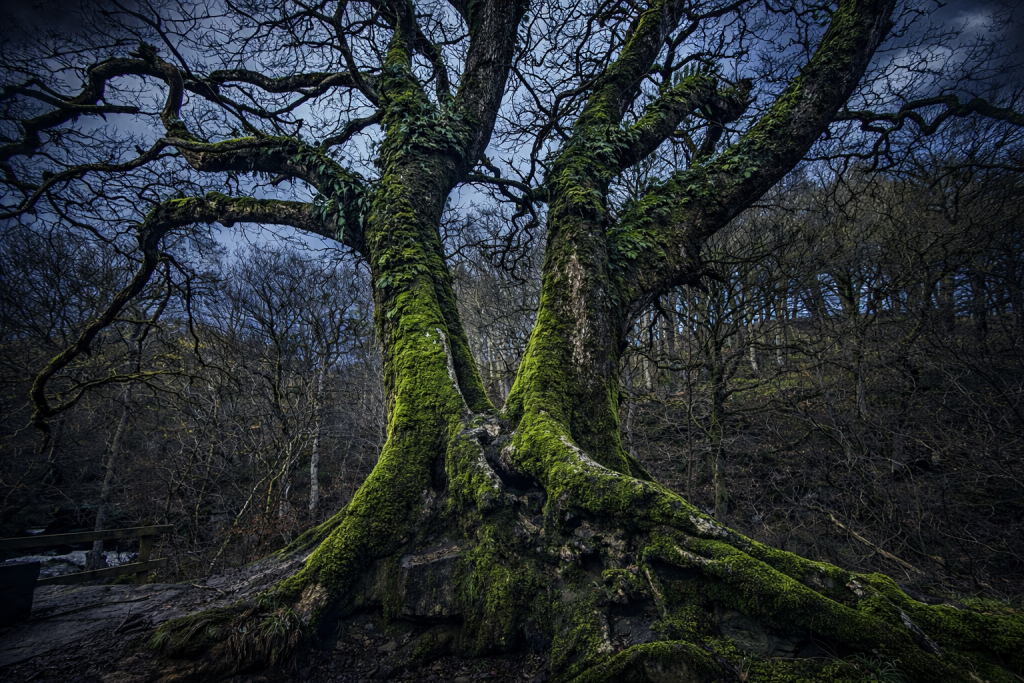
hareshaw linn oak
Ancient trees are an overlooked genetic resource: we want to change that

The very oldest trees took root before there were commercial nurseries and the concentrated seed collection processes that supply them

Seed collections

With permission from the landowner, and following plant health best practice, we collect seeds from ancient trees to grow into saplings.

These saplings are traceable from their mother tree through to theit final deployment, meaning that over time we will build a picture of the contributions of indivudal ancient trees to the next generation.

Our system also enables future research to monitor and compare sapling success rates compared to other nursery stock.

Clonal orchards

Our ultimate goal is the establishment of collections of clonally propagated ancient trees that will in time produce new combinations of old genomes.

We believe that the addition of just 1% of trees derived from ancient sources are enough to ensure that any important adaptive traits are passed on.

Of course we’d like to think that these trees are extra special, representing a known heritage link to the past. But we also that that it just makes precautinary sense to include them in woodland creation.

join us to help make the uk’s native woodlands more resilient

We would love to hear from you

Scroll to Top