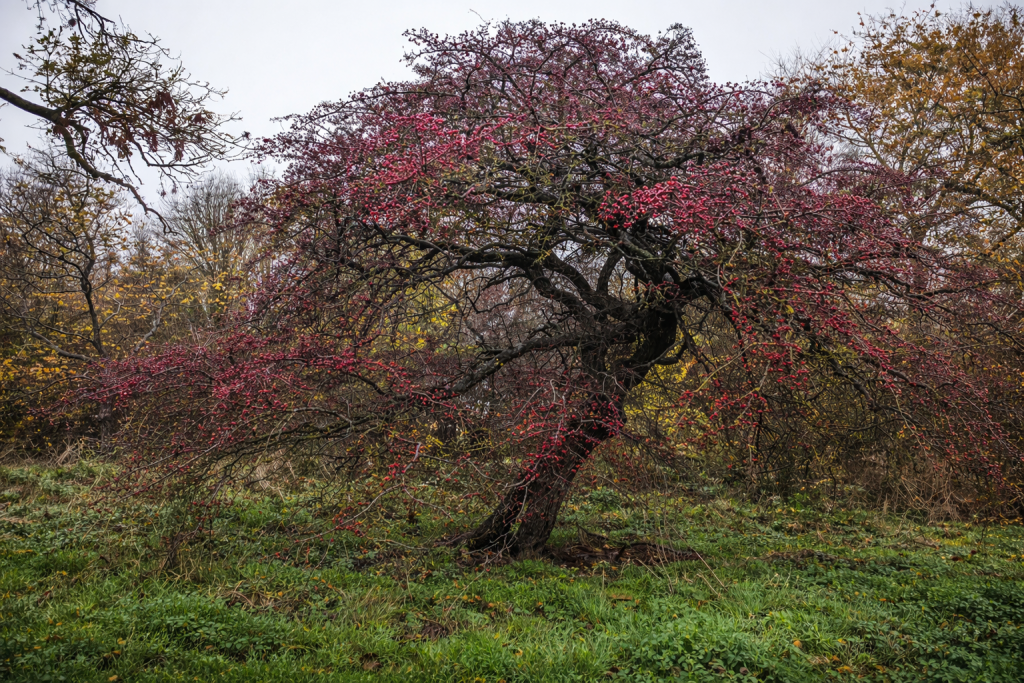
Ancient trees could harbour important adaptive potential
Genetic heritage
Think of ancient trees as wild. Most took root in a time when commercial nurseries didn’t exist. If they were deliberately planted they most likely came from seed collected locally, representing a continuity of lineage going back to prehistoric times.
We can’t be absolutely certain that this is always the case because records weren’t kept. But we do know that our oldest trees are a dwindling resource and it makes good sense to conserve their genetic heritage.
ATF view
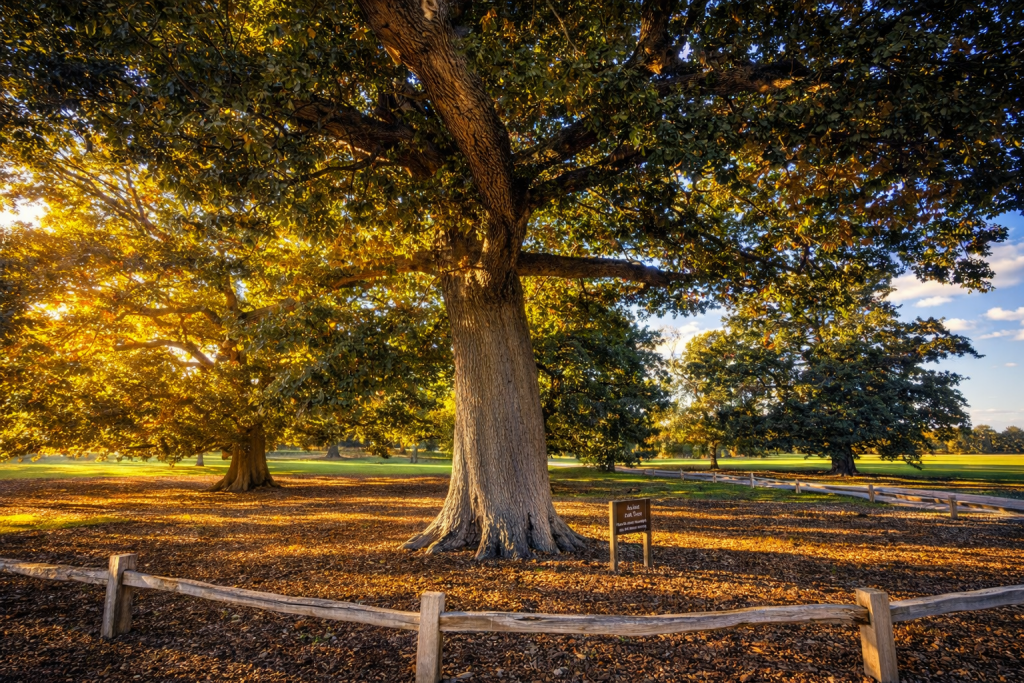
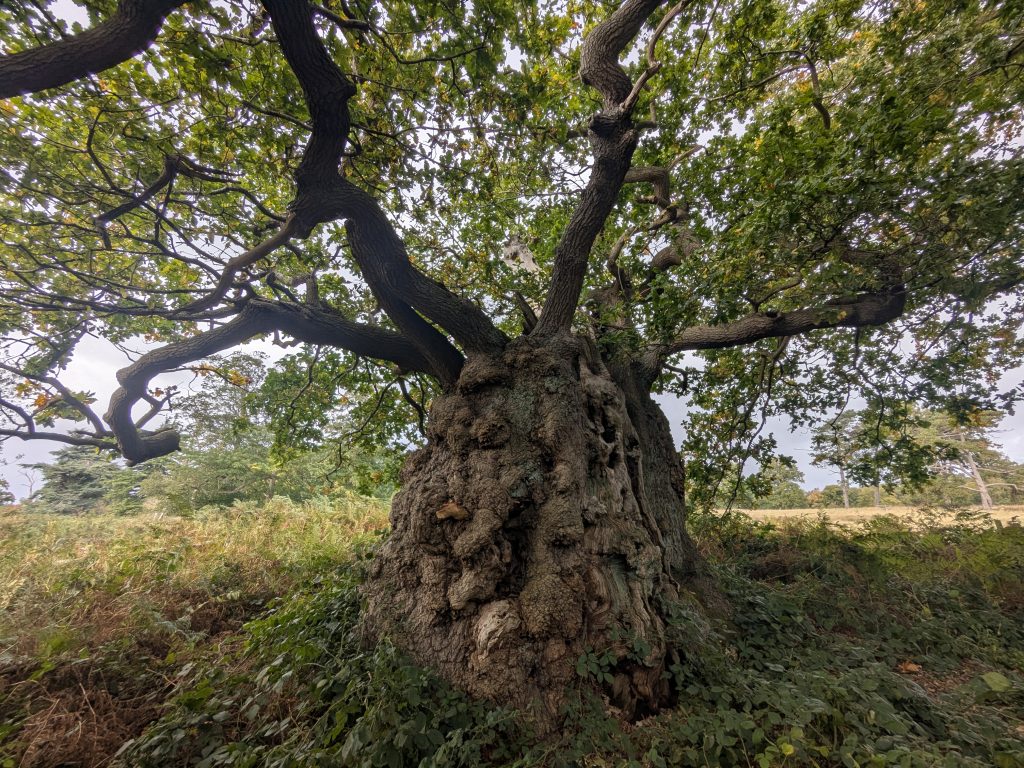
“One in its final life stage, typically exhibiting a wide, hollow trunk, a reduced crown (retrenchment), and immense, species-dependent age. Key features include being significantly older than others of its species, having immense ecological value, and often possessing a gnarled or low, squat shape.”
Converging factors
We all know the climate is changing fast but no one knows exactly how conditions will be in the coming years. A precautionary approach suggests we equip our trees and woods with the best chance of adapting to change.
Ancient trees have already demonstrated an ability to cope. It makes sense to include their genes into the mix, especially at a time when woodland creation rates are relatively high.